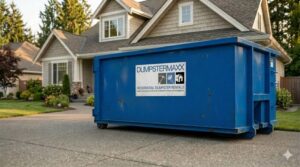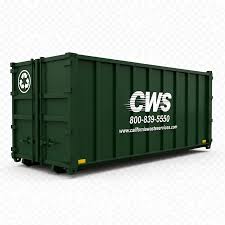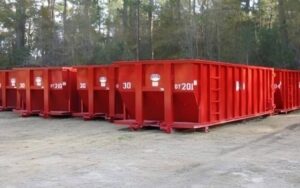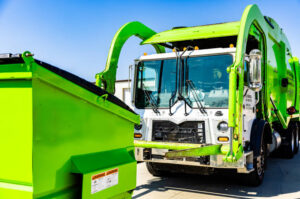
Municipal buildings serve important roles in local communities. Town halls, public service offices, recreation facilities, maintenance departments, and administrative centers all require regular repairs and improvements. Renovation projects in these properties can generate old furniture, damaged fixtures, flooring, drywall, roofing materials, and general construction debris. I have found that waste removal becomes more complicated when a building must remain accessible to employees and members of the public during construction. Dumpster services provide a practical way for municipal project managers to collect acceptable debris and keep renovation work organized.
Planning Waste Removal Around Public Services
Municipal buildings often continue operating while improvement projects take place. Residents may visit to pay bills, submit documents, attend meetings, or access community services. Construction work therefore needs to be organized without unnecessarily disrupting public access.
I recommend reviewing the renovation schedule with department managers before arranging dumpster delivery. This helps identify busy periods, restricted entrances, and areas where contractors can safely work. If several departments are being renovated, dividing the project into phases can make waste removal easier to coordinate.
The project team should also estimate the amount of debris expected from each phase. Office upgrades may produce furniture and packaging, while structural repairs can generate heavier materials. Understanding these differences helps managers choose appropriate containers and plan collection dates.
Removing Old Office Furniture and Fixtures
Municipal offices contain desks, chairs, filing cabinets, reception counters, shelving, conference tables, and storage units. During an upgrade, many of these items may need to be replaced or relocated. Large cleanouts can quickly produce more waste than the maintenance team can manage through ordinary collection arrangements.
Before placing furniture in a dumpster, I suggest checking whether it can be reused by another department or transferred to a different municipal property. Usable desks and chairs may still serve a purpose even when one office is receiving new furnishings. Metal filing cabinets and certain other components may also be suitable for recycling.
Items that are no longer useful should be prepared for removal safely. Large furniture may need to be dismantled, and heavy cabinets should be moved with suitable equipment. Separating reusable materials from general debris can reduce unnecessary disposal.
Managing Construction and Interior Renovation Waste
Municipal building upgrades may involve replacing flooring, repairing ceilings, installing new partitions, updating restrooms, or renovating meeting rooms. These activities can generate drywall, tiles, wood, metal framing, damaged fixtures, and packaging.
I recommend confirming accepted materials with the dumpster provider before construction begins. Heavy debris such as concrete, brick, and masonry may require a separate container or special weight arrangement. Filling a standard dumpster with dense materials without checking the allowance can result in additional charges.
Older municipal buildings may also contain materials that require professional inspection before removal. Suspected asbestos or lead-based paint should be assessed and managed by qualified specialists. Such materials must not be mixed with ordinary construction waste.
Protecting Public Entrances and Walkways
One of the main challenges of municipal renovation is maintaining safe access for residents. A poorly positioned dumpster can block parking spaces, sidewalks, entrances, or routes used by emergency vehicles.
I recommend selecting a designated service area that allows collection trucks to reach the container without interfering with public activities. The location should also provide convenient access for contractors carrying debris from the building. If the property has limited outdoor space, smaller containers or scheduled exchanges may be more practical.
Temporary barriers and clear signs can help separate construction zones from public areas. Employees should know which entrances remain open and where visitors should walk. Keeping the dumpster area organized reduces the possibility of accidental access to sharp or bulky materials.
Handling Records and Electronic Equipment
Municipal buildings often contain computers, printers, monitors, networking equipment, and other electronic devices. These items may be replaced during technology upgrades, but they should not automatically be placed in a general waste container.
I recommend following the municipality’s established data security procedures before removing computers and storage devices. Records and confidential information must be protected, and electronic equipment should be directed to approved recycling or disposal programs where required.
Batteries, cables, and specialized electrical components may also have separate handling requirements. Contractors should receive clear instructions about which items belong in the dumpster and which must be collected through other channels.
Choosing a Suitable Dumpster Size
The appropriate container depends on the type of municipal project and the expected waste volume. A small office refurbishment may need a modest dumpster, while a large administrative building renovation could require several containers over different construction phases.
I prefer estimating waste by department or work area. Furniture removal, flooring replacement, ceiling repairs, and exterior maintenance produce different quantities and weights. This approach makes it easier to select a container that fits the actual requirements.
Weight limits should be discussed before delivery. Concrete, tiles, and masonry can become heavy quickly, even when there is still space inside the container. Providing the rental company with an accurate description of the materials helps avoid loading and collection problems.
Coordinating Municipal Staff and Contractors
Municipal upgrades may involve electricians, plumbers, painters, flooring installers, carpenters, cleaning crews, and general contractors. Each team needs to understand the waste collection arrangements to prevent confusion.
I recommend assigning a project coordinator to manage container use and communicate with the rental provider. This person can monitor capacity, arrange pickups, and make sure workers follow material restrictions. Clear instructions are especially important when several departments share the same renovation site.
The facilities team should also communicate with employees who remain in the building. They need to know about temporary access changes, restricted areas, and scheduled collection activities. Good communication helps maintain normal public services during construction.
Understanding Rental Costs and Scheduling
Dumpster rental costs generally depend on container size, rental duration, waste type, location, and total weight. Municipal projects may require additional coordination because collection times must fit around public access and contractor schedules.
Before booking, I recommend requesting a written estimate that explains delivery and pickup charges, weight allowances, rental periods, and possible additional fees. Managers should also confirm whether the provider can offer flexible collection if construction takes longer than expected.
A realistic schedule can help prevent unnecessary expenses. A container delivered too early may occupy valuable parking or service space, while an early pickup can leave contractors without a suitable waste collection point. Matching delivery and collection with the project timeline is a practical solution.
Preparing the Building for Public Use
Once renovation work is complete, the project team should inspect offices, meeting rooms, restrooms, hallways, and public entrances. Remaining construction debris and packaging should be removed before employees return to normal operations.
The outdoor area also needs attention after dumpster collection. Parking spaces, sidewalks, loading zones, and landscaping should be checked for leftover materials. Any temporary barriers can be removed after the facilities team confirms that the area is safe.
Dumpster services help municipalities manage acceptable renovation waste while maintaining organized construction sites. By planning container placement, selecting suitable sizes, separating restricted materials, and coordinating contractors, project managers can reduce delays and control cleanup costs. A well-managed waste removal process helps municipal buildings return to serving residents with cleaner, safer, and more functional spaces.